CRESOL BASER I Strengthening the production capacity and income generation of family farmers and MSMEs in agricultural value chains through education and training activities
In the Brazilian context, many family farmers or MSMEs linked to agricultural chains rely on the Food Acquisition Program (PAA) and the National School Feeding Programme (PNAE) to market their products. These programs face several challenges: the PAA had a budget reduction of 84.6% in the last five years and the PNAE faced logistical and legal difficulties in 2020 to provide food to school children during the pandemic. This situation led to the total or partial suspension of contracts with family farmers. A study put forward by NEPAM/UNICAMP suggests that 69% of family farmers experienced negative changes when supplying the PNAE. In terms of income, half of the country’s family farmers (51%) posted reduced income, with an average loss of 35% in gross monthly household income.
Similarly, many family farmers also depend on the public sector for access to credit at subsidized interest rates for their regular operations and investments. Brazil’s Plan Cosecha, comprising the Pronaf program, performed this duty suitably in the past, but in the last two years agricultural demand for credit has grown by an average of 20% and the programs are no longer able to meet it.
EMBRAPA researchers pinpointed common challenges in strengthening and promoting the experiences of family farming and MSMEs in agricultural chains: low management and governance capacity at the level of individual and collective enterprises; low access to credit for structural investments; low socio-economic inclusion of women and youth; low access to and use of digital technologies; difficulty in accessing institutional and private markets; and difficulty in accessing public policies.
The proposed project, “Strengthening the production and income-generating capacity of family farmers and micro, small and medium-sized enterprises (MSMEs) in agricultural value chains”, is designed to complement the Huruma Fund loan allocated to Cresol. It sets out to improve the flow of finance to smallholder farmers and to expand and to improve the technical assistance models for smallholder farmers that Cresol currently uses. The general aim of the program is to provide technical advisory services to rural cooperative enterprises and entrepreneurs of interest to the Cresol System, with a view to professionalizing and strengthening them in economic, organizational and social terms, thereby generating a better relationship between the cooperative and Cresol.
Adeop has been selected as the provider of the first activity of the project, focusing on consultancy to implement a training and technical assistance program for farmers, with the emphasis on youth and women.
Worker in an agricultural company supported by the financial institution Central Cresol Baser in Brazil.
Madrid, 1 December 2022. The Huruma Fund, managed by GAWA Capital, and financed by the European Union, FONPRODE, COFIDES and private investors and savers, has completed its first investment in Brazil.
The fund has granted a loan of 12 million euros to the financial institution Central Cresol Baser. With this investment, Huruma will help increase financing in the Brazilian agricultural sector by supporting the third largest cooperative group in the country.
The investment will be devoted to promoting growth of Cresol Baser’s agriculture portfolio with the expectation of creating jobs that will indirectly benefit over 7,500 families in Brazil. Over the life of the investment, the fund will aim for two specific objectives for the bank: to launch green products and to develop a formal system for measuring social impact that enables monitoring customer progress. Likewise, the fund intends to develop a technical assistance project with the entity to improve training and adaptation to climate change of its farming customers, developing new methods to implement best practices.
STRENGTHENING FAMILY AGRICULTURAL PRODUCTION CAPABILITIES
Cresol Baser was created in 1996 in the state of Paraná with the objective of offering loans and financial and non-financial services to smallholder farmers. Since then, the Cooperative has achieved social impact in the region, currently serving over 23,500 farmers with financial products fully adapted to their production cycles. Furthermore, it provides customers with training focused on technology, strategy and financial tools, to better manage their businesses.
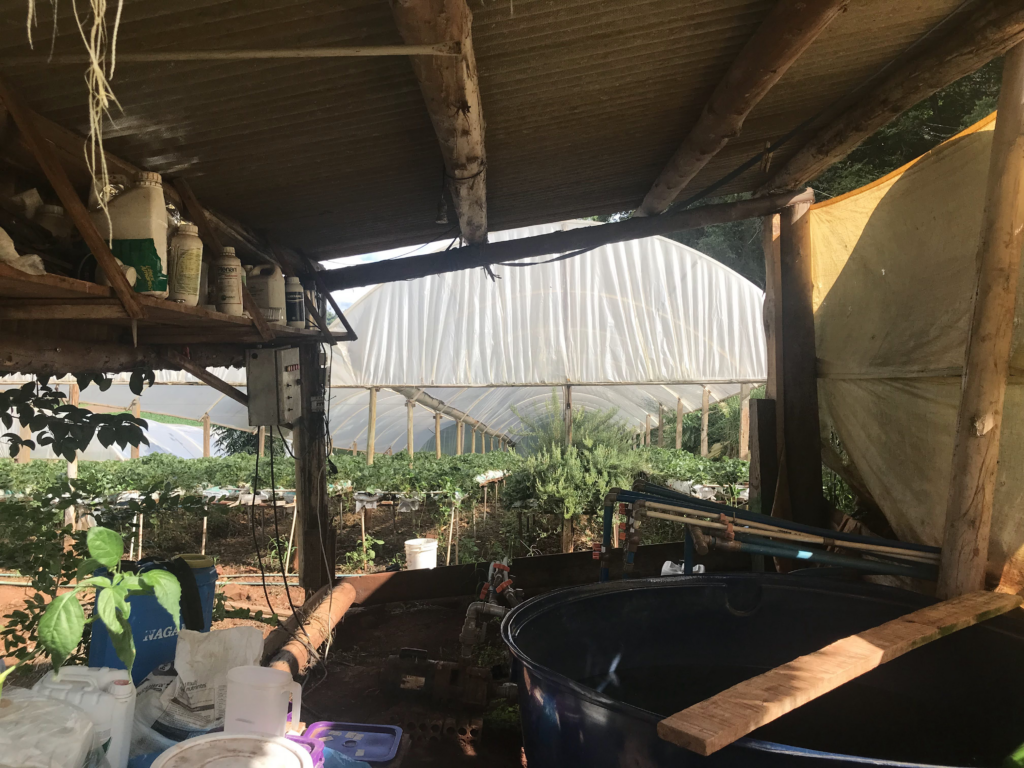
Facilities of a company supported by the financial institution Central Cresol Baser in Brazil.
In addition to the loan, the Huruma Fund intends to provide Technical Assistance resources to strengthen the production capability of the farmers and MSMEs in the agricultural value chain. With this project, the Cooperative aims to identify the main climate threats facing farmers, to assess related risks and prepare plans of action for adaptation.
The Transformation Manager at GAWA Capital, José García, says that the alliance with one of the main credit cooperatives in Brazil will help support family farmers in that country, providing them with the necessary working capital and fixed assets for professionalization.
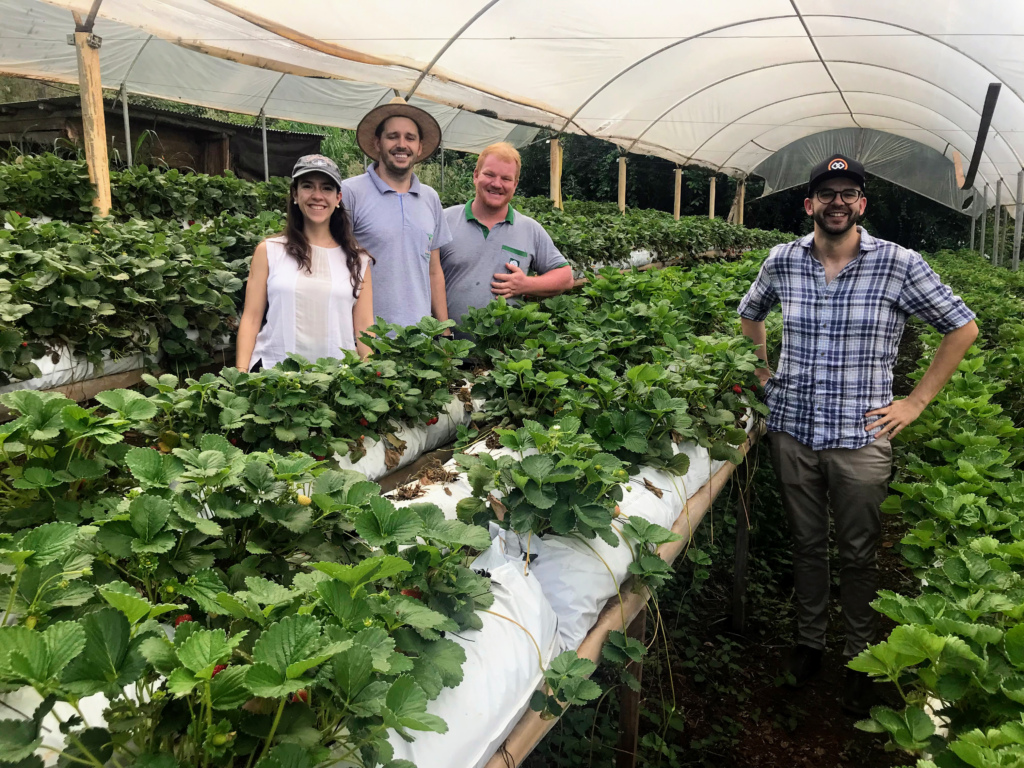
Members of the Gawa Capital team and workers of an agricultural company supported by the financial institution Central Cresol Baser in Brazil.
The chairman of COFIDES, José Luis Curbelo, highlights that, “At COFIDES we highly appreciate that the Huruma Fund supports the Brazilian primary sector with financing instruments targeting specialized cooperatives with proven experience which contribute to the maintenance of jobs for thousands of families. Accordingly, Central Cresol Baser is a new key partner in the development and growth of the Huruma Fund in Latin America”.
ABOUT THE HURUMA FUND
The Huruma Fund is the first project led by COFIDES within the framework of agriculture blending facilities in the European Union. Managed by GAWA Capital, it has 120 million euros contributed by the European Union, FONPRODE (the Development Promotion Fund) of the Spanish Agency for International Development Cooperation (AECID)COFIDES and private investors, thanks to the collaboration of CaixaBank Private Banking, which has distributed the fund through its national network. The objective is to provide access to loans to farmers in underserved rural areas in Latin America, the Caribbean, Sub-Saharan Africa and Asia. It includes a Technical Assistance Facility (TAF) to provide consulting services and training related to agriculture, and to help improve the entities the Fund invests in, enhancing the impact on excluded rural populations.
ABOUT GAWA CAPITAL
Established in 2010, GAWA Capital is the leading firm in impact investing in Spain, having mobilised over 204 million euros in public and private investments. Its objective is to improve the lives of low-income communities by promoting investing in social enterprises, while providing their investors with a financial return. GAWA was a pioneer in the introduction of impact investing in Spain, launching three funds which invest in emerging countries with an inclusive approach to market solutions for social issues.
ABOUT COFIDES
COFIDES, a State-owned company engaging in the management of State and third-party as well as its own funds, pursues a number of aims: internationalisation of Spain’s economy, furtherance of economic development and fortification of the solvency of companies affected by COVID-19. In addition to the Spanish State, its shareholders include Banco Santander, Banco Bilbao Vizcaya Argentaria (BBVA), Banco Sabadell and Development Bank of Latin America (CAF).
This press release was produced with the financial assistance of the European Union. The views expressed herein can in no way be taken to reflect the official opinion of the European Union.
The Cresol System was established in 1996 in the state of Paraná, southern Brazil, as an attempt to provide credit and other financial and non-financial services to smallholder farmers in the region. With over EUR 1,500 million in assets, Cresol is the third largest cooperative group in Brazil.
Cresol has a very strong social impact, serving +23,500 small producers with loans and other financial products fully adapted to agricultural cycles. It has 72% of its portfolio dedicated to agricultural activities, reaching EUR 902 M in 2022.
The main crops being financed by Cresol Baser are soy (~10% of loan portfolio), corn (6%), wheat (3%) and coffee (2%), while with also funding livestock sectors (bovine, pig, sheep, poultry and pisciculture). Most of the rest of the agri-focused portfolio is dedicated to farm investment like equipment, maintenance, irrigation systems etc., which could also be applied to a diversity of crops.
ENVIRONMENT
Cresol has a formal environmental policy which specifies its environmental goals, targets, and indicators, having implemented an ESMS system that complies with the local regulation. The institution is implementing actions to increase energy efficiency, including the use of renewable energy sources and reduction of energy usage.
Cresol offers specific green loan products and promotes other environmentally friendly practices and activities among its entrepreneurship and agricultural training programs to clients.
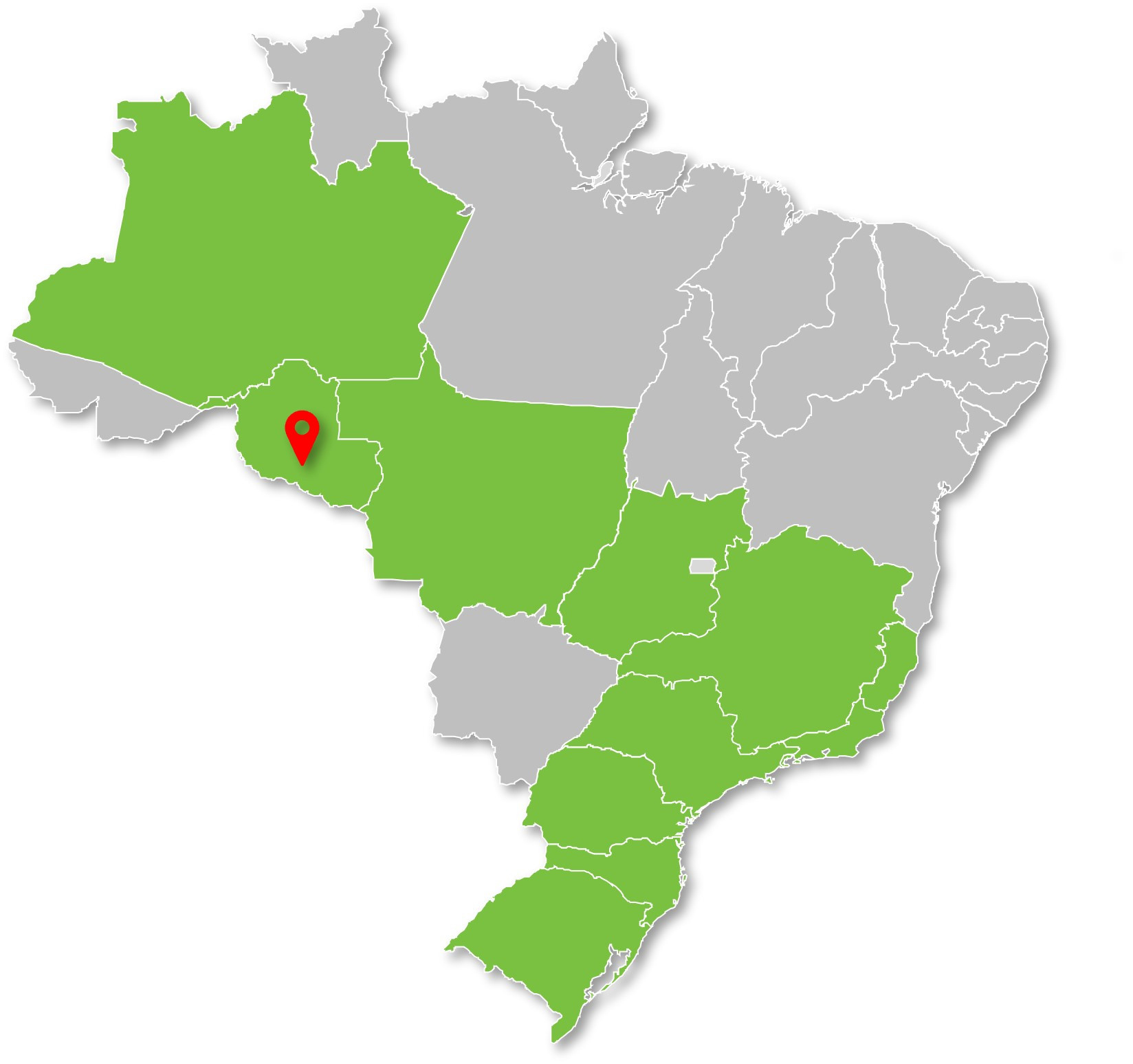
Country: Brazil
Investment: EUR 12 millon
Investment type: Debt
Technical assistance: Pending
Investment date: Sep 2022
Huruma: Transforming Lives
Huruma’s investment in Cresol aims to transform the lives of smallholder farmers through the following theory of change:
Input: EUR 12 MM focused on Agricultural financing.
(*) Metrics calculated on the basis of the study estimates ‘Understanding Impact Performance: Agriculture Investments’ (GIIN, 2020)
Gestionar el Consentimiento de las Cookies
We use both our own and third-party cookies on this website to analyze our services through your browsing habits and improve your user experience.
Funcional Always active
El almacenamiento o acceso técnico es estrictamente necesario para el propósito legítimo de permitir el uso de un servicio específico explícitamente solicitado por el abonado o usuario, o con el único propósito de llevar a cabo la transmisión de una comunicación a través de una red de comunicaciones electrónicas.
Preferencias
El almacenamiento o acceso técnico es necesario para la finalidad legítima de almacenar preferencias no solicitadas por el abonado o usuario.
Estadísticas
El almacenamiento o acceso técnico que es utilizado exclusivamente con fines estadísticos.
El almacenamiento o acceso técnico que es utilizado exclusivamente con fines estadísticos anónimos. Sin una requerimiento, el cumplimiento voluntario por parte de su proveedor de servicios de Internet, o los registros adicionales de un tercero, la información almacenada o recuperada sólo para este propósito no se puede utilizar para identificarlo.
Mercadeo
El almacenamiento o acceso técnico es necesario para crear perfiles de usuario para enviar publicidad, o para rastrear al usuario en un sitio web o en varios sitios web con fines de marketing similares.